
Community Football Australia- Acknowledging Local Indigenous Contribution & Cultures
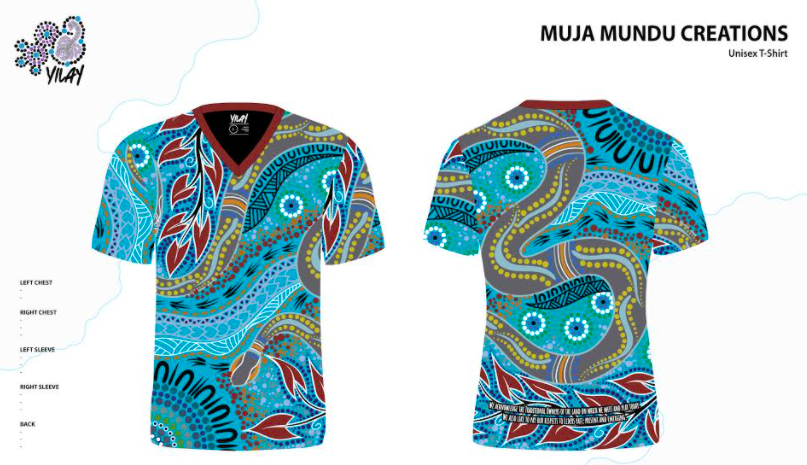
Acknowledging Aboriginal and Torres Strait Islander people in club activities, policy and events.
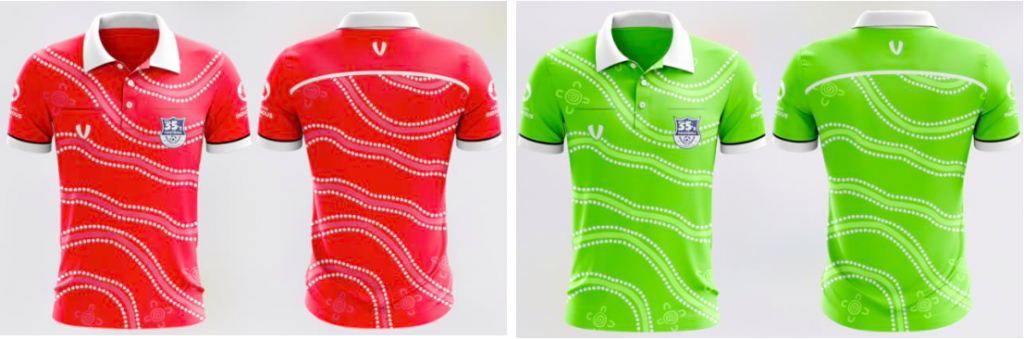
In 2019 we engaged in a process to acknowledge the First Nations contribution to Football in South East Queensland. The idea was to demonstrate a long term commitment rather than a one-off Indigenous round or jersey so we decided to develop a Referees jersey to be worn for 3 seasons.
1) As complete novices to such a process we initially consulted within CFA and with key partners on what we could do. We reached out to an apparel supplier and with a quick turnaround, the result was a generic and inauthentic product that wasn’t reflective of the story we wanted to tell.
2) We reflected on our actions and the lack of Indigenous contribution to their process. We revised our timelines and decided that it would all evolve in its own time and not to limit the process with deadlines. Through our football contacts, we were able to connect with Elders and community leaders in Indigenous Football in SEQ on their previous experiences. The conversations reaffirmed that there was a lack of understanding and appropriate consultation from clubs and the sporting community when they attempt to acknowledge Indigenous cultures.
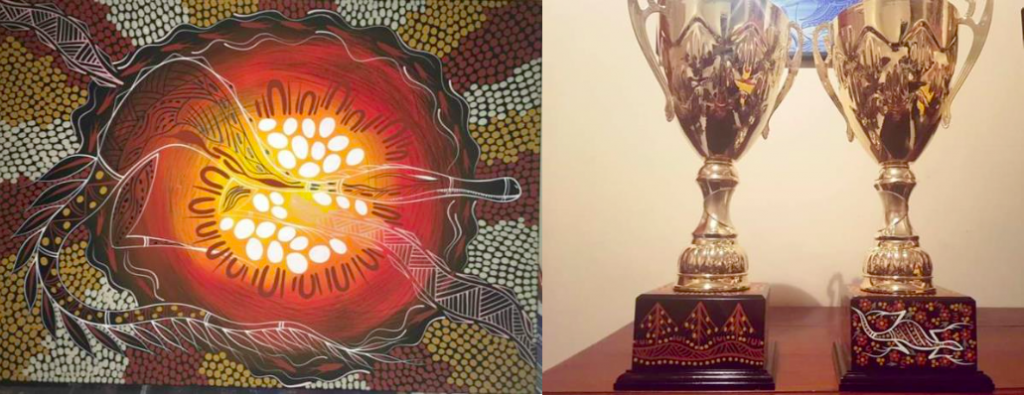
3) Working collaboratively, the group spent time with an Indigenous Artists, James Doyle in Cherbourg, QLD. Through this time with James, they uncovered the story of the Rainbow Serpent and its relevance to the story that CFA was trying to convey through the referee jerseys. ‘We talked about the animal/creature concept and he told the story about the rainbow serpent, so we thought that was a good theme, along with meeting places and footprints.’
4) Through this process Community Football Australia, Goori Football and James came up with a Referee jersey that represents the diverse football community, the coming together of cultures and the crossing of paths. The result is a beautiful referee jersey, with a shared story that reflects the football community of SEQ and the traditional owners of the land on which it is played.
Revised steps to acknowledging Indigenous cultures
- Define your purpose– why are you doing this? Is it for genuine acknowledge of Indigenous cultures, groups, heritage or for the club to look good and get a cool jersey?
- Consult with local Elders, local Indigenous groups and/ or relevant others from the start. Share your purpose, ask questions, listen and learn. Do not assume that Indigenous club members must be involved or will be your sounding board for all things Indigenous.
- Listen and learn there are few opportunities to learn about INdigenous cultures from
- Pay. Indigenous artists are often asked and expected to contribute for free or at a low cost. This is inappropriate. Thousands of years of history, knowledge and culture as well as the skill to articulate the story being told through art should be renumerated appropriately.
- Consult some more. Reaffirm that you are on the same page and everyone is happy with the outcomes of the collaboration.
- Acknowledge everyone who contributed.
-
Categories
-
Relevant Indicators